


Why Humidity Control Matters in New England Summers
As summer arrives in New England, residents prepare to face a familiar challenge: humidity. This sticky, muggy air can transform even the sunniest days into uncomfortable experiences. Connecticut, known for its high humidity levels, is particularly affected. This post discusses the importance of controlling humidity for both comfort and HVAC efficiency during the hot summer months.
Understanding Humidity
Humidity is the amount of water vapor in the air. During the summer in New England, humidity levels can soar above 70%, making it feel much hotter than the actual temperature. For example, a temperature of 85°F can feel like 95°F when the humidity is high. Comfortable indoor humidity typically ranges between 30% and 50%. When levels exceed 60%, it can lead to discomfort and various health issues.
Effects of High Humidity on Comfort
High humidity makes it challenging for our bodies to cool down. Normally, we sweat to regulate our body temperature, but excess moisture in the air prevents effective evaporation. This can lead to feelings of exhaustion, irritability, and a strong desire to stay indoors.
Sleep is also impacted by high humidity. A comfortable sleeping environment is essential for good rest, but while humidity lingers, nights can feel sticky and restless. Research shows that nearly 40% of people struggle to sleep well in humid conditions, often tossing and turning as they attempt to find comfort.

Impact on HVAC Performance
Humidity significantly influences HVAC systems. Standard air conditioning systems are designed primarily for cooling, leaving them ill-equipped to handle high humidity effectively. This can lead to inefficient cooling and soaring energy bills. For instance, an air conditioning unit might use up to 30% more energy when humidity levels rise.
When humidity is high, air conditioning units are forced to work harder to eliminate moisture, increasing the likelihood of breakdowns and costly repairs. High humidity can also cause condensation in HVAC systems, leading to mold growth and other air quality issues that can affect your health.
The Importance of Dehumidifiers
Investing in a dehumidifier can transform your summer experience in Connecticut. These devices help maintain balanced humidity levels in your home, creating a more pleasant living space. By removing excess moisture, they help your HVAC system run more efficiently, reducing wear and tear.
Dehumidifiers come in various types. Whole-home models integrate with existing HVAC systems, while portable units work well in smaller spaces. For example, a whole-home dehumidifier can handle a house up to 3,000 square feet, while a portable unit might suffice for an 800-square-foot room.
When selecting a dehumidifier, consider the area size and desired moisture level. Opting for energy-efficient models can save you money on electricity bills as well.
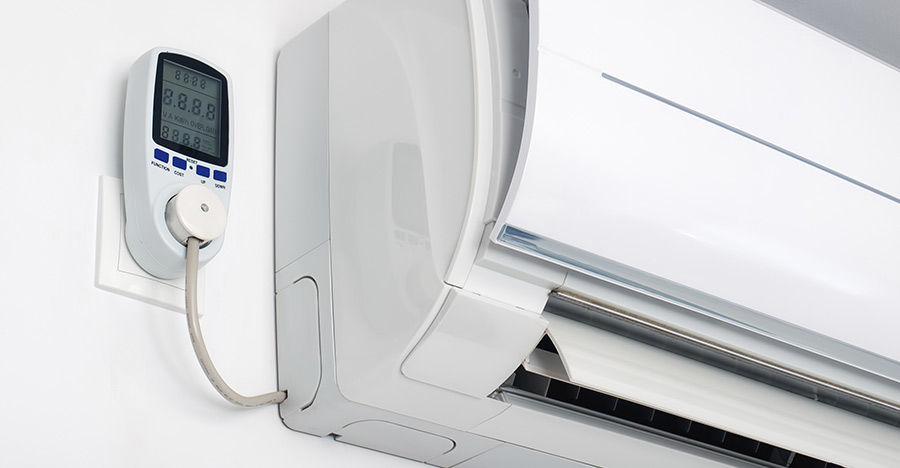
Choosing HVAC Systems with Built-In Humidity Control
Modern HVAC systems often include built-in humidity control features. These systems automatically regulate humidity levels, enhancing comfort and energy efficiency. Research indicates that homes with humidity control see a 15-20% decrease in energy consumption.
When choosing an HVAC system, consult with a professional to explore options with humidity control. Investing in such a system can prevent future issues arising from excessive moisture, ensuring a comfortable environment throughout the summer.
Embracing Humidity Solutions
Effective humidity control is essential for comfortable living in New England summers. The discomfort and potential strain on your HVAC system makes humidity management a priority for homeowners.
By investing in dehumidifiers or selecting HVAC systems with built-in humidity control, you can significantly enhance your home's comfort and energy efficiency. Don't let high humidity catch you off guard this summer. Equip your home with the necessary tools to create a cozy atmosphere, and enjoy your time in New England to the fullest!



Comments